Why Purchasing Repiping Providers Is Important for Your Home's Pipes Health
Repiping services play a crucial function in keeping a home's plumbing health. Over time, pipes can corrode, leakage, or end up being clogged up, causing possible dangers and inadequacies. House owners commonly overlook the indications of wearing away plumbing, which can result in substantial damages. Recognizing the need for repiping is vital. What factors should home owners think about before making this financial investment? The answers may surprise you.
Comprehending the Relevance of Repiping
While numerous homeowners might forget the significance of repiping, it plays a vital duty in preserving the overall wellness of a pipes system. In time, pipes can wear away, create leakages, or become clogged with natural resource, leading to decreased water top quality and flow pressure. Repiping addresses these issues by replacing old, broken pipes with new, resilient products, ensuring a reputable supply of water and reducing the risk of costly repair services connected with leakages and water damage. In addition, modern piping products are frequently much more environmentally pleasant and efficient, contributing to reduced energy costs and enhanced water preservation. Carrying out a repiping task can improve a home's resale value, making it a sensible financial investment for house owners. Ultimately, identifying the relevance of repiping permits homeowners to take aggressive steps in protecting their plumbing systems and guaranteeing a secure, useful living setting for their households.
Usual Indicators That Show the Need for Repiping
Home owners ought to be alert for sure signs that indicate the need for repiping, as overlooking these issues can bring about extra extreme pipes troubles. One common indicator is the presence of regular leaks, which can suggest aging or weakening pipes. Furthermore, a visible decrease in water pressure may indicate clogs or deterioration within the plumbing system. Homeowners may additionally discover discolored or corroded water, signaling pipeline destruction. Inexplicable water expenses that are noticeably more than common can also mean leakages hidden within the wall surfaces. Additionally, the development of mold or mildew in locations near plumbing fixtures can recommend wetness concerns coming from damaged pipes. If the home has old galvanized piping, it might be time to assume about repiping, as this product is vulnerable to rust and deterioration. Acknowledging these indications early can assist preserve a healthy plumbing system.
The Dangers of Disregarding Pipes Issues
Neglecting pipes problems can result in considerable water damages, which may compromise the structural stability of a home. Additionally, unsettled leaks can develop an environment conducive to mold development, positioning serious health dangers to occupants. Resolving pipes problems immediately is vital to guard both residential property and well-being.
Water Damage Issues
When pipes issues go unaddressed, the risk of water damages rises substantially. Leaks, trickles, and splits in pipelines can lead to significant water intrusion, compromising the architectural honesty of a home. In time, even small leakages can create rot, mold and mildew growth, and damage to walls and floor covering, causing pricey repair work. Water damages can additionally influence electric systems, developing unsafe problems. Homeowners often ignore the cumulative impact of tiny leaks, which can result in prevalent damage otherwise immediately attended to. Overlooking plumbing concerns not just raises the probability of instant damage yet can also lessen building value and present lasting monetary problems. Consequently, prompt repiping solutions are important to prevent water damages and preserve a healthy and balanced home setting.
Health And Wellness Hazards Rise
Unresolved pipes problems can cause significant health and wellness dangers within a home. Contaminated water from rusty pipes can lead and present hazardous bacteria to serious health problems. Mold growth, usually an outcome of leaks and excess wetness, poses breathing threats and can trigger allergic reactions. Furthermore, stagnant water can bring in bugs such as rodents and bugs, which carry conditions that additionally endanger family wellness. Disregarding these plumbing problems not only compromises the safety and security of locals yet can additionally lessen building value. As a result, dealing with pipes concerns via repiping services is important. Timely treatment not only safeguards health but also guarantees a safe living atmosphere, protecting against a lot more comprehensive damage and expensive repair work down the line.
Different Sorts Of Piping Products
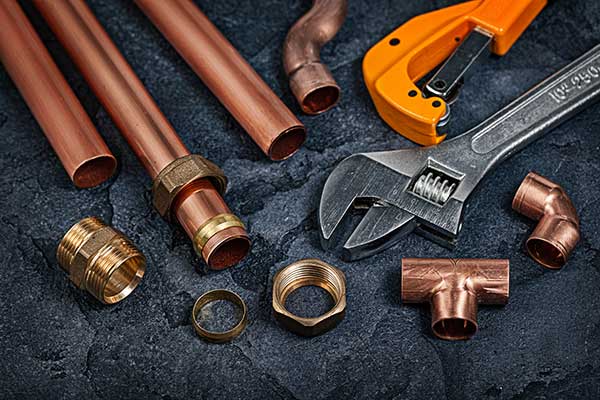
Piping materials are an essential component in plumbing systems, influencing resilience, efficiency, and general efficiency. Numerous options are offered, each with one-of-a-kind buildings and applications. Copper piping is known for its long life and resistance to corrosion, making it a preferred choice for both cold and hot water lines. PVC (polyvinyl chloride) is lightweight, cost-effective, and immune to chemical damages, largely made use of for drainpipe and vent systems. PEX (cross-linked polyethylene) has actually gotten popularity because of its flexibility and simplicity of installment, permitting less joints and potential leak factors. Galvanized steel, though once typical, is less positive today as a result of its vulnerability to rust and decreased water flow with time. Each product presents unique advantages and negative aspects, making it essential for homeowners to seek advice from with plumbing specialists to figure out one of the most suitable option for their details requirements and problems. Choosing the right piping material can considerably influence the performance and security of a plumbing system.
The Repiping Process: What to Anticipate
The repiping process starts with a detailed analysis of the existing pipes to recognize concerns and establish the very best strategy. Following this examination, home owners will certainly require to pick suitable replacement materials that fit their plumbing needs. Lastly, a summary of the setup process will certainly give understandings right into what to expect throughout this considerable home improvement.
Assessment of Existing Pipes

Picking Substitute Materials
After assessing the existing pipelines, homeowners deal with the crucial decision of choosing proper replacement products for their pipes system. Usual choices consist of copper, PVC, PEX, and CPVC, each with distinctive advantages and disadvantages. Copper is understood for its resilience and resistance to deterioration, making it a lasting option. PVC is cost-effective and light-weight, suitable for drainpipe and vent lines. PEX uses adaptability and is resistant to scale and chlorine, making installation less complicated in limited rooms. CPVC is comparable to PVC but can endure greater temperatures. Homeowners need to consider aspects such as spending plan, local structure codes, and the certain requirements of their pipes system when making this choice, making sure suitable efficiency and long life for their home's plumbing facilities.
Setup Refine Introduction
Repiping a home can be a substantial undertaking, yet recognizing the installation process helps homeowners prepare for what exists ahead. The process usually begins with a complete evaluation of the existing pipes system to determine issue locations. Next, a thorough plan is created, detailing the necessary materials and timelines. On the installation day, professionals will usually begin by shutting down the water and draining the existing pipes. They then eliminate the old piping, which might entail opening walls or ceilings for access. New pipes are mounted, ensuring they satisfy current pipes codes. The system is tested for leaks, and any kind of openings are repaired. Home owners can expect a reliable and clean procedure, minimizing disruption to their every day lives.
Long-Term Benefits of Repiping Your Home
While lots of home owners may neglect the importance of upgrading their plumbing, the lasting advantages of repiping a home can substantially boost both its value and performance. One of the main advantages is enhanced water top quality. Older pipelines may harbor impurities and rust, while brand-new piping assurances safe and tidy water delivery. In addition, repiping can cause boosted water stress, making daily tasks a lot more efficient.
Another advantage is the reduction in pipes issues. Obsolete systems are susceptible to bursts and leaks, which can cause costly repair work and water damage. By purchasing repiping, home owners can greatly decrease the likelihood of these issues. Contemporary materials made use of in repiping are a lot more durable and resistant to deterioration, prolonging the life expectancy of the pipes system.
Exactly how to Pick the Right Pipes Solution for Repiping
Exactly how can home owners assure they select the finest plumbing read more service for repiping? First, they must research neighborhood plumbing business, concentrating on those that focus on repiping solutions. Reviewing on the internet evaluations and endorsements can provide understandings into the top quality of solution supplied. It's necessary to look for ideal licensing and insurance coverage, making sure the chosen business follow local policies.
House owners should likewise ask for detailed estimates from multiple suppliers to compare pricing and solutions supplied. Involving directly with possible plumbers can help examine their know-how, communication skills, and willingness to answer questions. Repipe Pros. In enhancement, asking for recommendations from previous clients can validate a business's reliability and craftsmanship
Ultimately, house owners should think about the firm's warranty policies on materials and labor, as this can mirror their dedication to high quality. By complying with these guidelines, homeowners can make an educated choice, protecting their plumbing health and wellness with effective repiping services.
Often Asked Concerns
For how long Does a Typical Repiping Job Require To Total?
A normal repiping project usually takes between one to five days to finish, depending on the dimension of the home and intricacy of the pipes system. Appropriate planning and service provider competence can affect total duration substantially.
Will Repiping Rise My Home's Resale Worth?
Repiping typically enhances a home's resale value, as prospective customers appreciate upgraded pipes systems. This improvement reduces potential pipes concerns, making the building much more appealing and possibly validating a higher asking cost throughout sale settlements.
Can I Remain In My Home Throughout Repiping?
During repiping, staying in the home is typically possible, yet it may depend on the degree of the job. Property owners need to prepare for momentary interruptions and talk to contractors for details arrangements and security considerations.
What Is the Typical Cost of Repiping a Home?
The average price of repiping a home commonly varies from $4,000 to $15,000, depending upon aspects such as the size of your home, products used, and labor expenses related to the plumbing work. Repiping.
Do I Need a License for Repiping Services?
A license is usually required for repiping solutions, as it guarantees conformity with neighborhood building regulations and guidelines. House owners should consult their neighborhood authority or an accredited plumbing professional to establish details permitting needs for their location.
Repiping services play an essential role in maintaining a home's plumbing health and wellness. While many homeowners may neglect the relevance of repiping, it plays a necessary duty in maintaining the total health and wellness of a pipes system. House owners need to be alert for specific indications that indicate the demand for repiping, as overlooking these issues can lead to a lot more extreme plumbing problems. While numerous home owners might overlook the significance of upgrading their plumbing, the long-term advantages of repiping a home can substantially boost both its value and performance. A common repiping task generally takes between one to five days to finish, depending on the size of the home and intricacy of the plumbing system.